
MESA Through the Years
Celebrating 54 Years of Empowering STEM LeadersScroll the timeline below to view significant events in MESA’s history.
2022
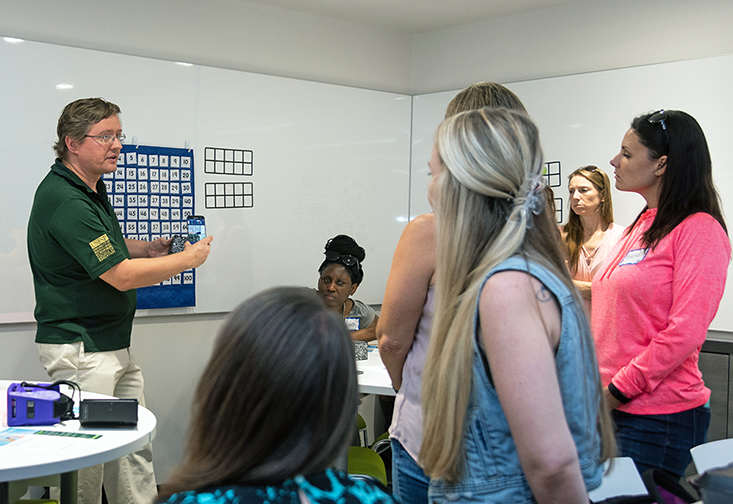
The University of South Florida was chosen to establish the inaugural Florida chapter of the MESA program. The initiative was spearheaded by the College of Education’s Dean, Anthony Rolle, who is a MESA alum, and Professor of STEM Education, David Rosengrant, EdD
2021
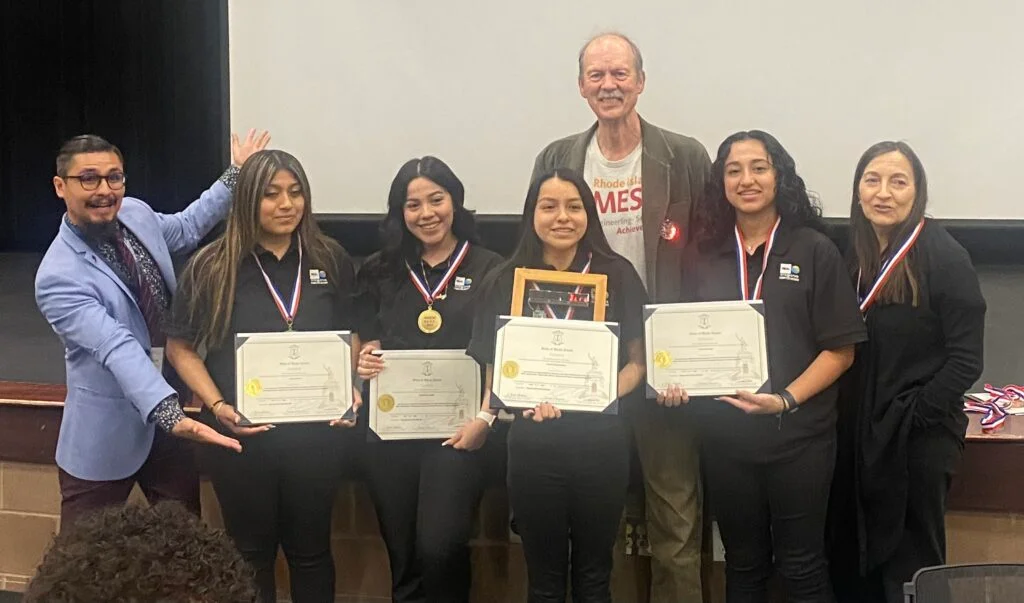
Rhode Island became the ninth state in the country to have a MESA chapter. The Rhode Island MESA partnership was announced at the annual MESA USA National Engineering Design Challenge in June of 2021.
2020
MESA celebrates its 50th anniversary.
2016
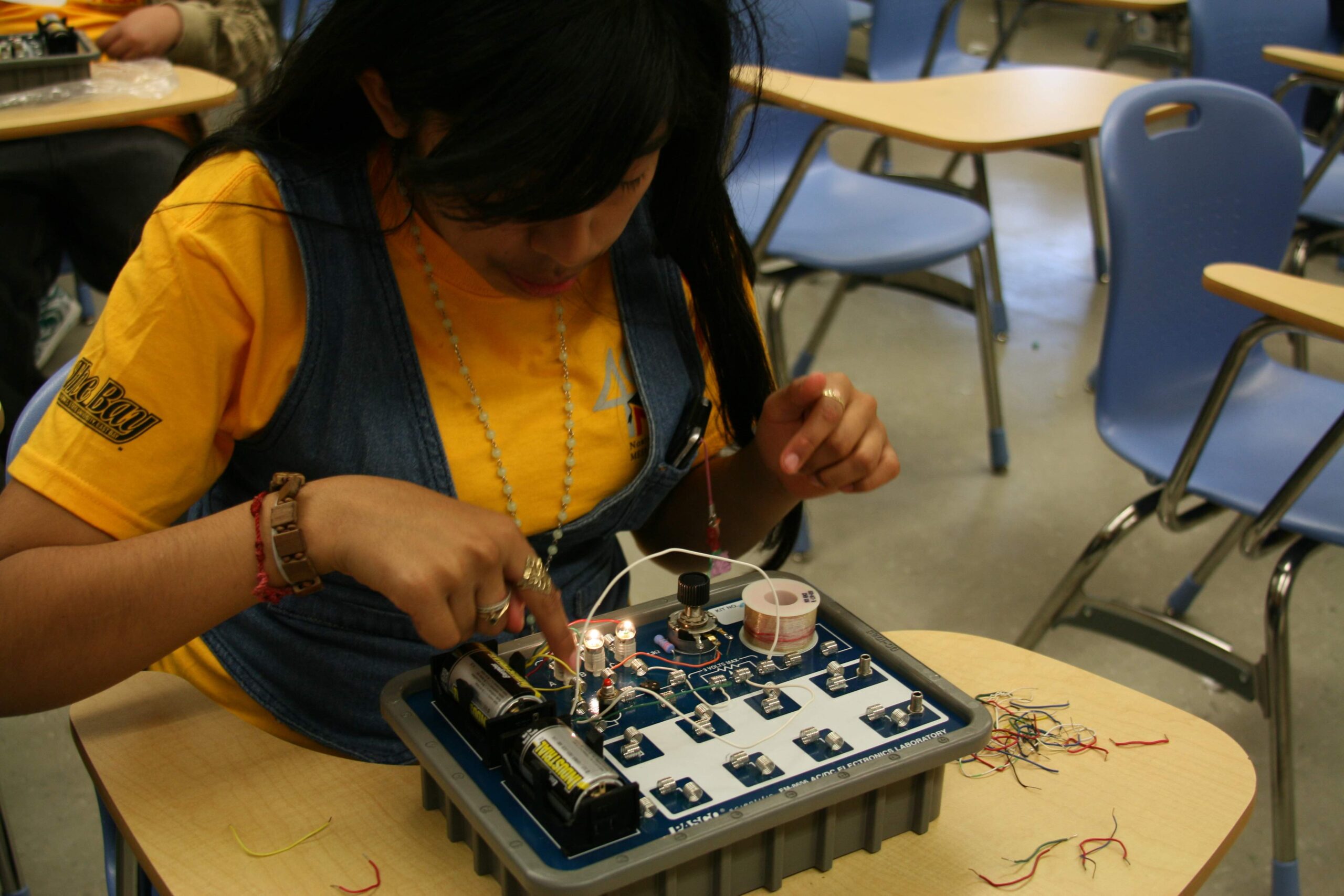
MESA is selected to be part of President Obama’s Computer Science for All Initiative.

2013
MESA named the Silicon Valley Education Foundation STEM Innovator in math.
2010
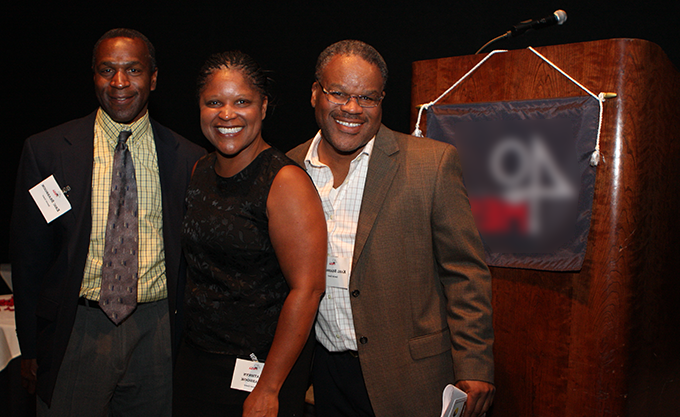
In an updated compendium, Bayer reaffirms MESA as a top national program that supports student achievement in STEM studies.
MESA celebrates its 40th anniversary.
2008
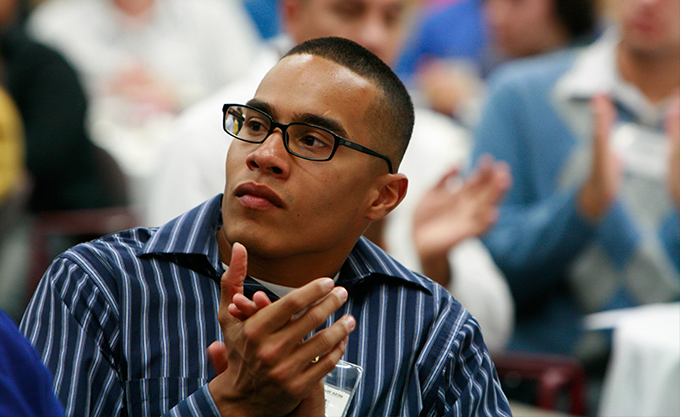
California MESA is named a national semifinalist by Excelencia in Education for its outstanding community college work.
2007
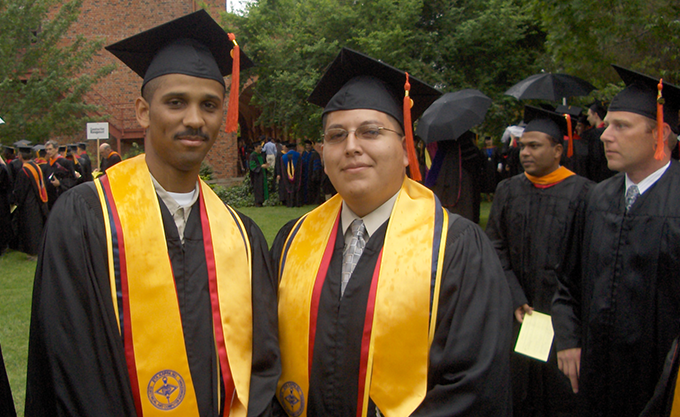
California MESA is featured in a national documentary, The Innovators, as a solution to developing the next generation of innovative engineers and scientists.
Bayer Corporation names California MESA among 21 top national programs proven to help K-12 students achieve in STEM fields.
2005
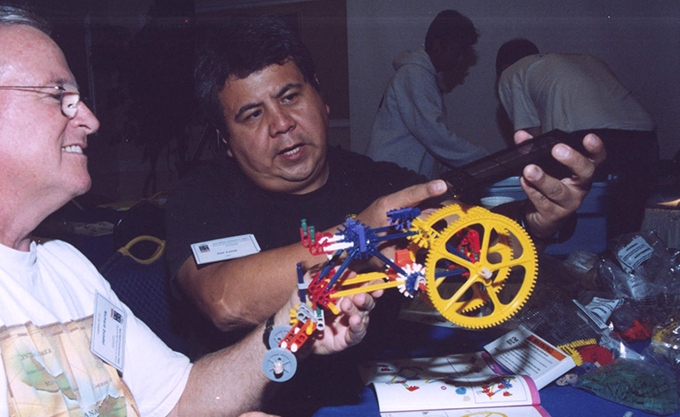
MESA is selected by Hewlett-Packard (HP) as the model for its national engineering initiative aimed at expanding opportunities for community college students. This program provided students in Florida, Georgia, Illinois, New Jersey, and New York with access to top-tier STEM education, mentorship, and career pathways—empowering the next generation of skilled engineers and innovators to drive American competitiveness in technology and manufacturing.
2001
MESA is named among the five most innovative public programs in the nation by Innovations in American Government, a project of the John F. Kennedy School of Government at Harvard University, the Ford Foundation, and the Council for Excellence in Government.
2000
The fourth program, MEP, receives a $1 million boost in state funding.
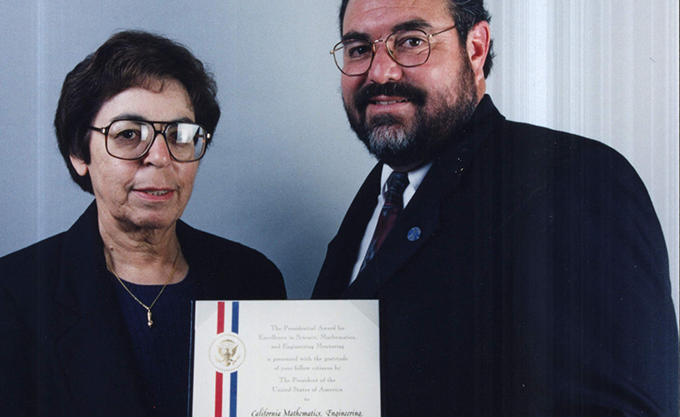
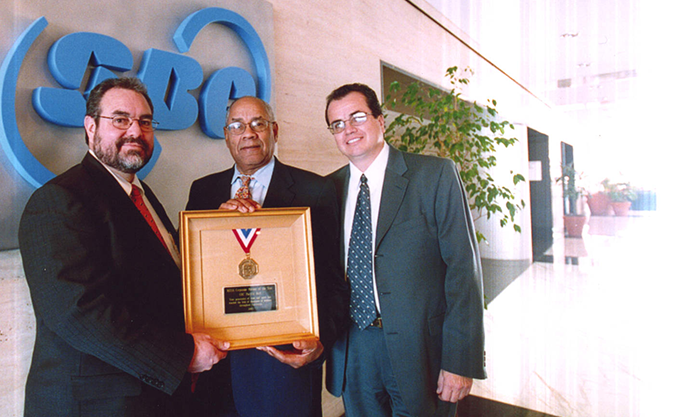
MESA is honored as one of the nation’s top mentoring programs by the Presidential Award for Excellence in Science, Mathematics and Engineering Mentoring (PAESMEM), an award created by the White House and administered by the National Science Foundation.
1998
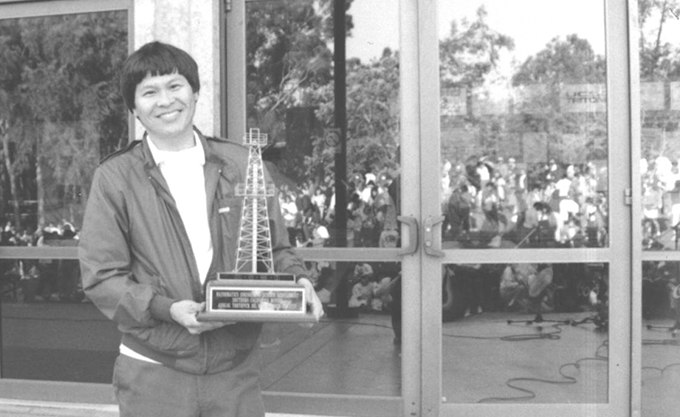
MESA receives a $4.65 million state augmentation to expand three programs.

1997
MESA USA is founded, representing programs in eight states: California, Arizona, Colorado, Maryland, New Mexico, Oregon, Utah and Washington.
1994
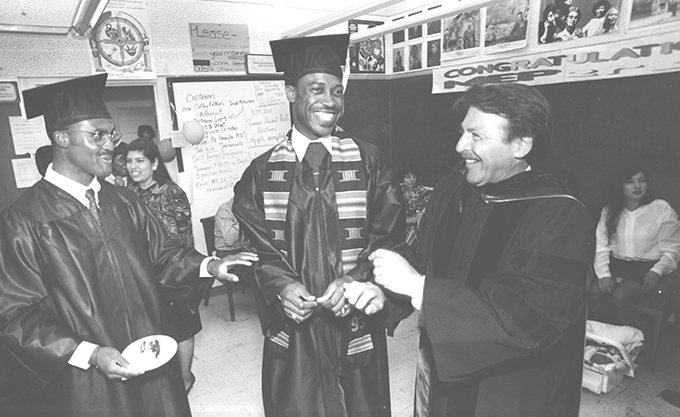
The state legislature augments MESA’s budget by $1.75 million to increase the number of secondary students in MESA.
1993
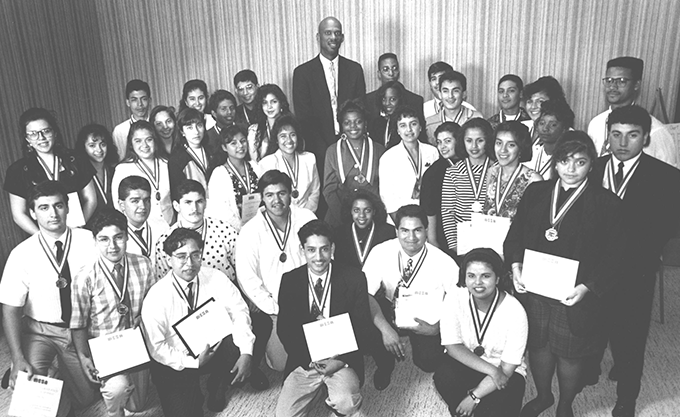
The state legislature allocates $489,000 in Proposition 98 monies to expand MESA into community colleges. A formal MESA Community College Program (MCCP) is established.
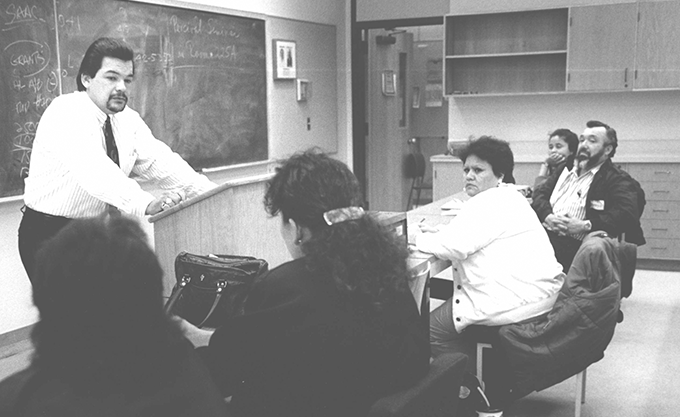
1991
Through a partnership with the state Department of Education, the MESA Success Through Collaboration (MSTC) is established for pre-college students.
MESA programs are established at American River, Cosumnes and Sacramento City community colleges to help their students succeed in science, technology, engineering and math (STEM) courses and transfer to four-year institutions as STEM majors.
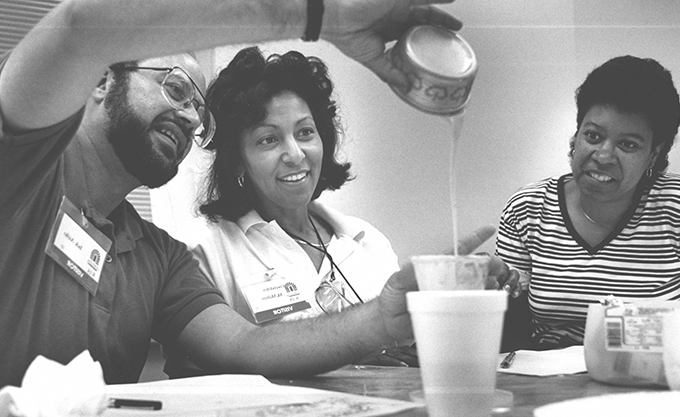
1988
PG&E sponsors a statewide conference for all MESA teachers, which later becomes the MESA Advisors Training Institute (MATI). PG&E sponsors MATI from 1988 through 1992. Currently known as the MESA Academy for Science and Mathematics Educators (MASME), the training conference continues to provide professional development for hundreds of math and science teachers.
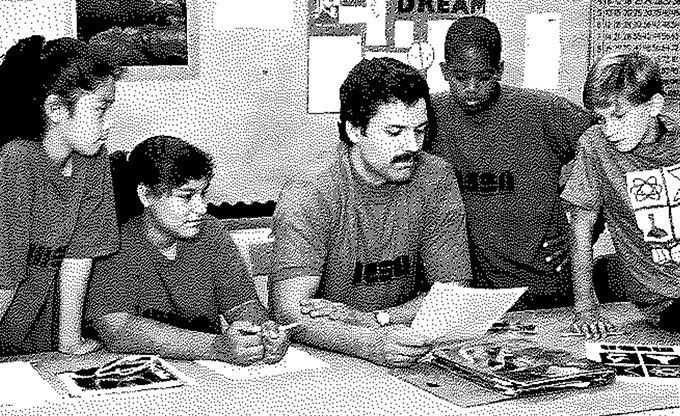
1985
Oregon MESA was started at Portland State University (PSU) in 1985 under the name Portland MESA. It was founded on the belief that access to a STEM education and exposure to successful role models can irrevocably change the course of a student’s life. Oregon MESA has been an enduring and positive presence in the lives of young people for over three decades. PSU continues to host the MESA program and provides students with exposure to postsecondary academic programs and other opportunities hosted by the university.
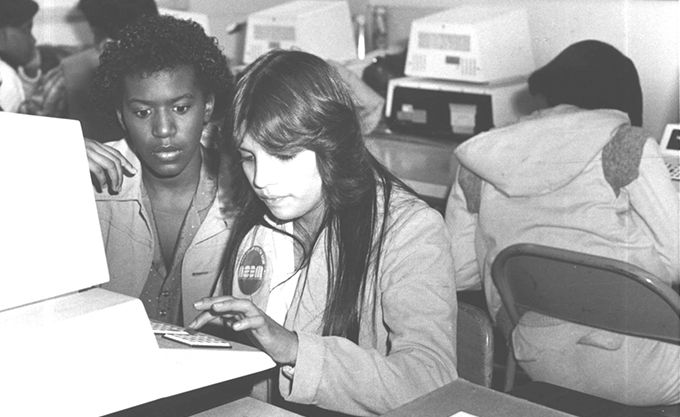
1984
A Carnegie Foundation grant allows MESA to expand to junior high schools. The number of pre-college students served by MESA doubles over the next four years.
1984
Utah’s MESA program started in 1985 with a pilot program at Kearns High School and its feeder junior high, John F. Kennedy Jr. High with a MESA Math Class and MESA Club.
1983
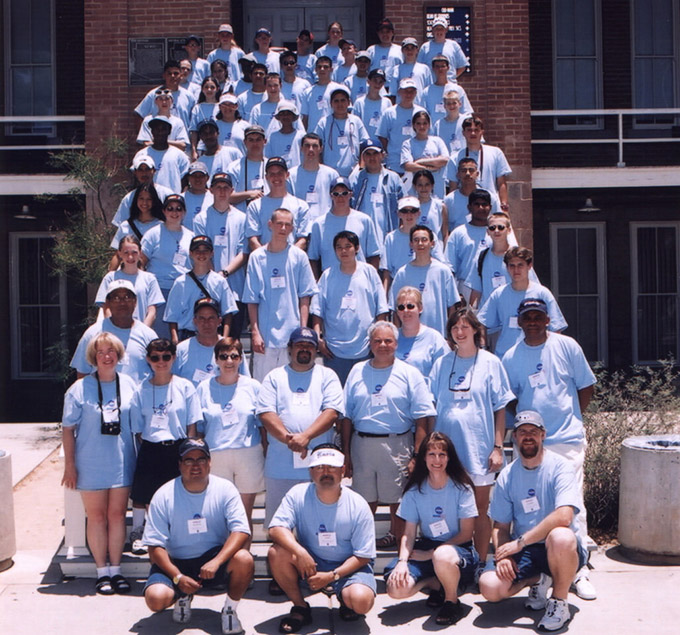
In the fall of 1983, Glendale Community College and the University of Arizona independently partnered with local school districts to bring MESA from California to Arizona. By the spring of 1984, MESA had launched programs providing students with academic and career counseling, tutoring, field trips, summer opportunities, and scholarships..
What started with just a handful of schools quickly grew. By the 1990s, MESA served nearly 40 schools and over 1,300 students across the state. During this time, the Phoenix-based MESA program transitioned under the leadership of Arizona State University. Recognizing the power of collaboration, both programs united to form Arizona MESA, with the University of Arizona serving as the central office, strengthening statewide support for students in STEM
1982
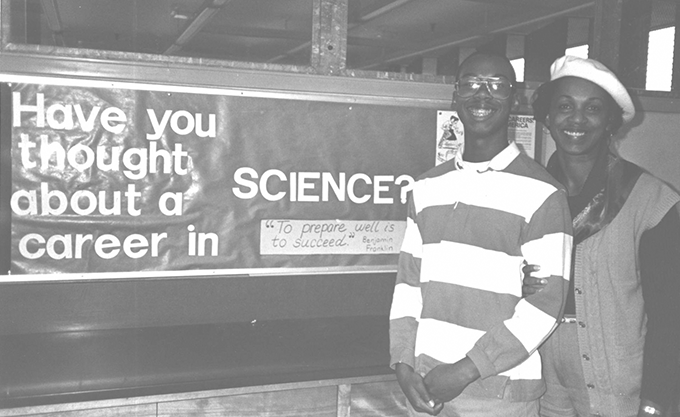
The state legislature approves a proposal to expand the MEP from three sites to nine and authorize funds for MESA to lead the project.
The William and Flora Hewlett Foundation provides seed money for programs based on MESA to be established in Colorado, New Mexico and Washington. Since then, programs based on California MESA have been set up in several other states.
1982
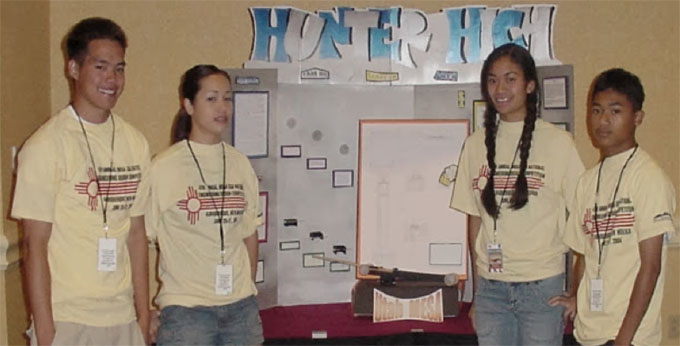
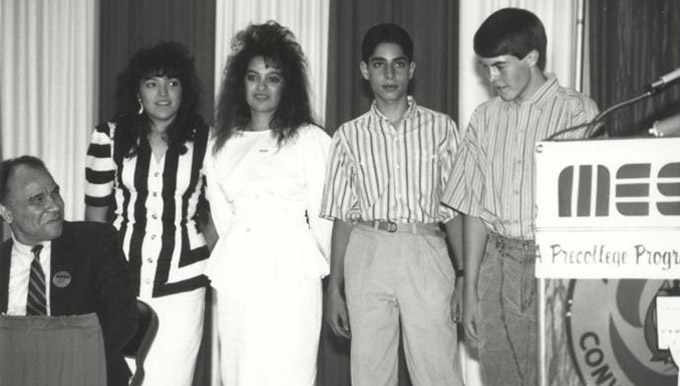
New Mexico MESA was formed in the 1982-83 school year after a group of STEM industry leaders visited MESA in California. Excited and inspired, they wanted to bring that vision to New Mexico. The program began with a handful of middle school and high school teachers and STEM industry leaders who met at each other’s homes to plan out the program working in partnership with UNM College of Engineering. The next six years allowed the program to spread statewide and created partnerships with University of New Mexico, New Mexico State University, New Mexico Tech and Highlands University partnering with New Mexico Higher Education Department and New Mexico Public Education Department to serve students in grades 6-12 throughout the state.
1980
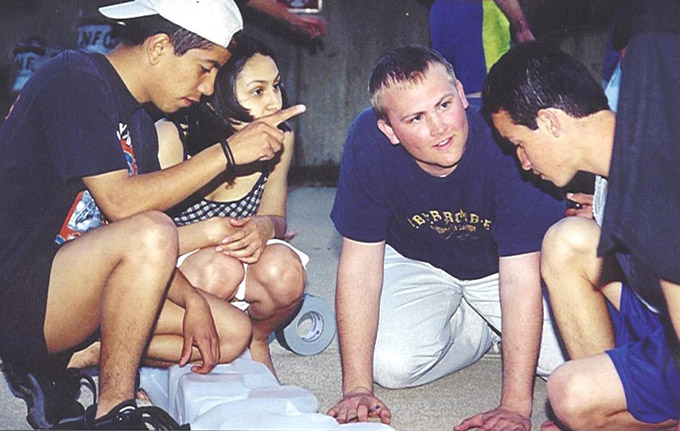
Rocky Mountain MESA (CO) started in 1980, in Colorado Springs, by Mike Garcia, a career Air Force officer and first director. Colorado hosted nationals in 2009 and 2010 – closing date for CO MESA, December 2015.
1979
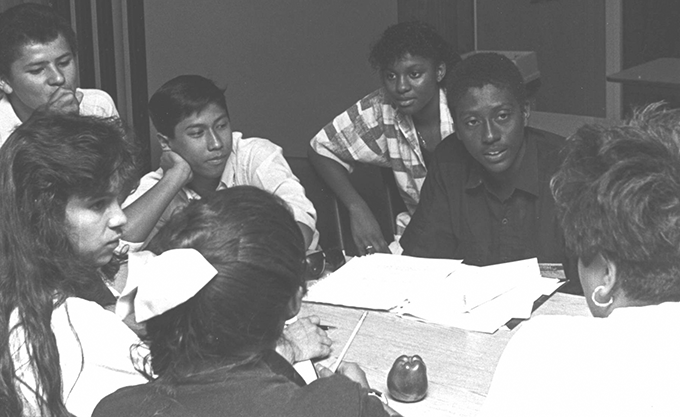
The state legislature allocates $250,000 to MESA, conditional upon dollar-for-dollar matching donations from industry. The match is accomplished.
1978
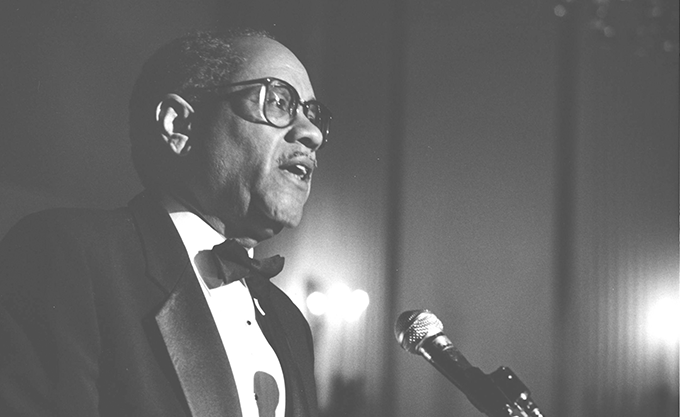
With major support from Roger Heyns, president of the Hewlett Foundation, and Stephen Bechtel, Jr., president of Bechtel Corporation, the Industry Advisor Board (IAB) is established to mobilize corporate support for MESA. Richard Collins, a Bechtel vice president, is the first IAB chair. Other participants include the president of ARCO and the chairpersons of Chevron, Fluor Corporation, Hewlett-Packard, Lockheed, Northrop, PG&E, Pacific Telephone, Rockwell, Southern California Edison and TRW.
1977
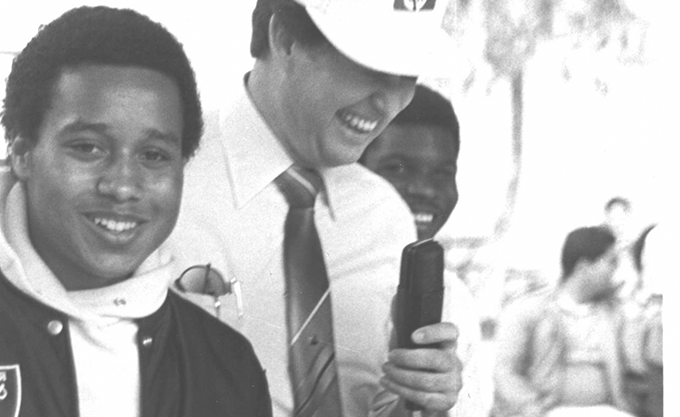
Impressed with MESA’s success, the Hewlett and Sloane foundations provide $1 million to expand the Berkeley model and develop pre-college programs throughout the state.
1976
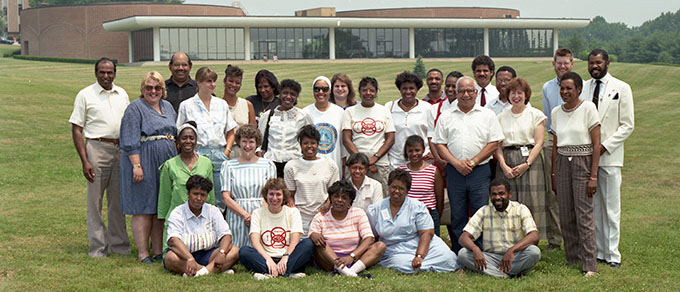
The Maryland MESA Program was established in 1976 as a local pre-college initiative led by Theodore J. Habarth, then Assistant to the Director for Special Programs at The Johns Hopkins University Applied Physics Laboratory. What began as a small effort to support students in STEM quickly grew into a statewide program.
Maryland MESA became a powerful consortium of technical employers and universities, working collaboratively to prepare students for the academic rigor of college-level studies in science, engineering, and mathematics-based fields. Through strategic partnerships and hands-on support, the program has played a pivotal role in shaping the future of STEM education across the state.
1970
1970
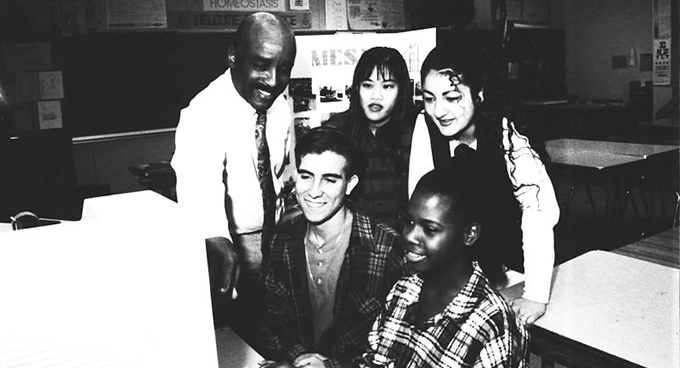
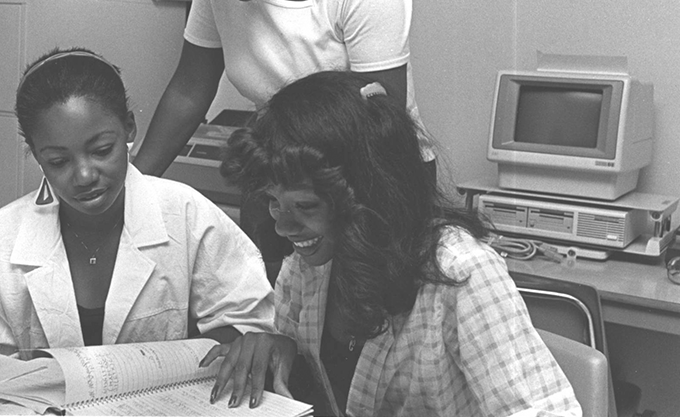
MESA was founded in 1970 at Oakland Technical High School with just 25 pioneering students. Driven by a bold vision, MESA set out to develop strong academic and leadership skills, raise educational expectations, and instill lasting confidence in California’s students.
From the very beginning, MESA’s mission was clear: to increase the number of students graduating from four-year universities with degrees in engineering, physical sciences, and mathematics. This small yet powerful start laid the foundation for a program that would go on to inspire generations of STEM leaders.
Late ’60s
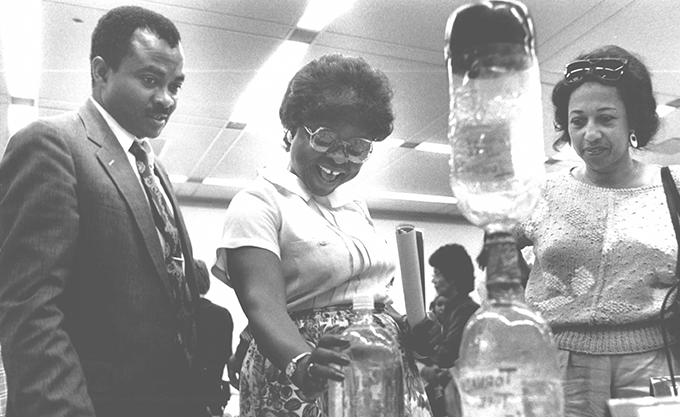
A group of visionary educators at UC Berkeley recognized a critical need: how to better support the success of all students enrolled in the College of Engineering. They launched an in-depth study to identify the barriers to STEM education.
Their research led to a groundbreaking realization—true change begins before college. This insight inspired the development of a pre-college intervention model, laying the foundation for what would eventually become the MESA Program, dedicated to preparing students for academic excellence and leadership in STEM fields.
Students
School Districts
Teachers
Years Established
PO Box 21477
Albuquerque, NM 87154
505-917-2049 | Send Message
Office Hours: M-F, 9am-5pm MST/MDT
©2014-2026, MESA USA
All Rights Reserved | admin